 x/health ·
Published: July 10, 2026 | Reading Time: ~8 minutes | Topic: Inflammation & Metabolic Health
You know that feeling when your phone is running 47 apps in the background, the battery is at 12%, and everything just feels… sluggish? Now imagine that happening inside your body — for months or even years — without you realizing it. That's chronic inflammation. And spoiler alert: it's not just a buzzword your yoga instructor throws around. It's the real deal, and the World Health Organization calls it the greatest threat to human health.¹
But here's the good news: you are not powerless. The latest science shows that simple, everyday choices — what you eat, how you move, how you sleep — can dramatically dial down the fire. Let's break it all down in plain English (with zero fear-mongering, we promise).
Let's clear up the confusion first. Inflammation isn't inherently bad. In fact, acute inflammation is your body's superhero — it shows up when you cut your finger or fight off a cold. Redness, swelling, heat: that's your immune system sending troops to the rescue.²
Chronic inflammation, on the other hand, is when those troops never get the "stand down" order. It's a slow, low-grade burn that can last months to years. And here's the scary stat: 3 out of every 5 deaths worldwide are linked to chronic inflammatory diseases — heart disease, stroke, cancer, diabetes, respiratory diseases, and more.¹ In the United States alone, nearly 60% of adults live with at least one chronic condition, and 42% have two or more.¹
How does it happen? According to the NIH, the usual suspects include: poor diet (heavy on saturated fats, trans fats, and refined sugar), obesity, smoking, chronic stress, poor sleep, and even aging itself.¹ Your fat tissue actually behaves like an endocrine organ, pumping out pro-inflammatory molecules called cytokines. The more visceral fat you carry, the louder that inflammatory alarm bell rings.

So what can you do? Start here:
If the pharmacy had a pill that did what an anti-inflammatory diet does, it would be a blockbuster drug. Harvard's Dr. Frank Hu, a leading nutrition researcher, puts it bluntly: *"Many experimental studies have shown that components of foods or beverages may have anti-inflammatory effects."*⁵
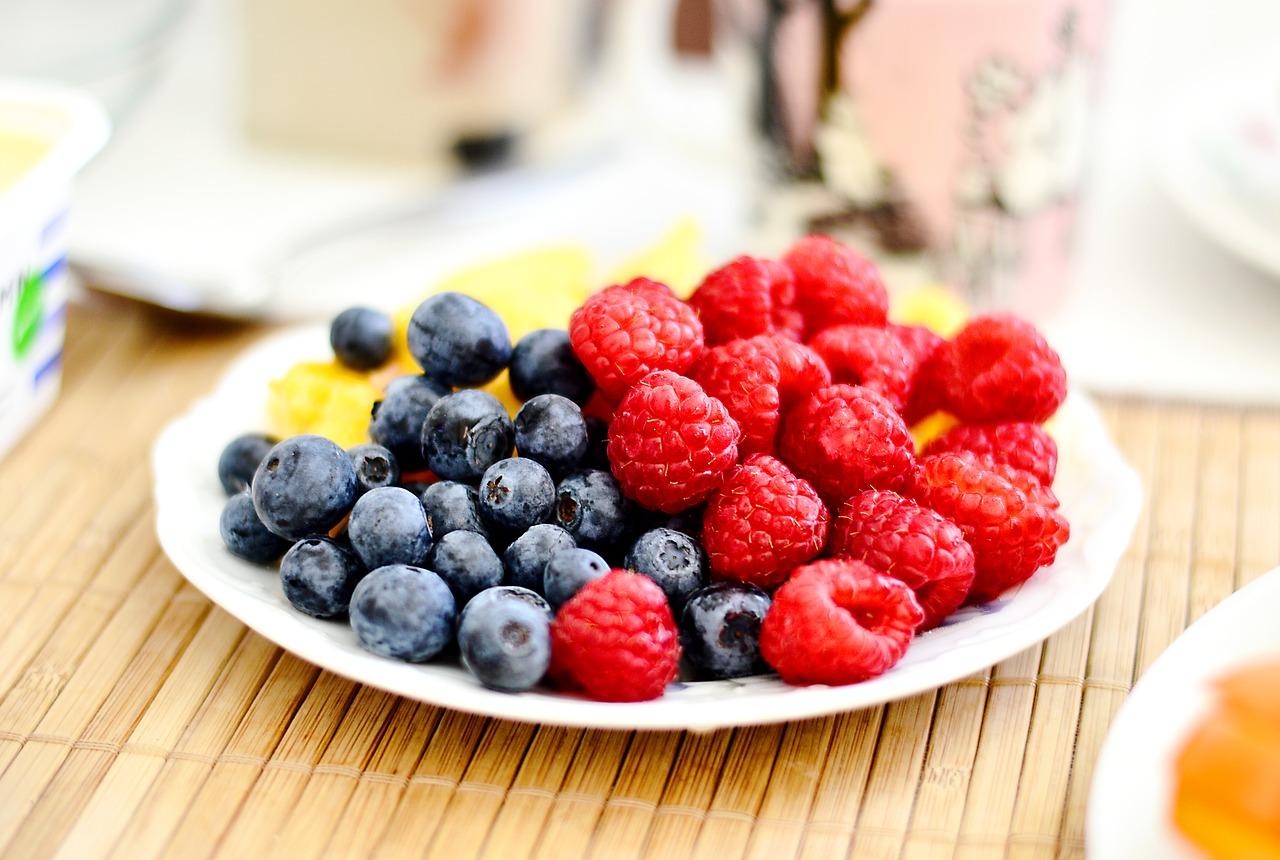
The star players? A group of plant compounds called polyphenols — natural chemicals found in colorful fruits, vegetables, coffee, tea, and nuts that act as antioxidants and inflammation-fighters in your body.⁵

Here's what the Harvard evidence says belongs on your anti-inflammatory plate:⁵
On the flip side, the pro-inflammatory "villains" are pretty predictable: fried foods, sugar-sweetened beverages, refined carbs, red and processed meats, and margarine/shortening.⁵
And if you want a ready-made framework? The Mediterranean diet is the most evidence-backed anti-inflammatory eating pattern on the planet.⁵ It's not a "diet" in the deprivation sense — it's a delicious, sustainable way of eating that centers on vegetables, fruits, whole grains, legumes, fish, olive oil, and nuts.
Your 5-step anti-inflammatory plate upgrade:
You already know exercise is "good for you." But do you know why at the molecular level? A groundbreaking Harvard Medical School study from 2023 — published in the prestigious journal Science Immunology — uncovered something remarkable.³
When you exercise, your muscles experience temporary, controlled inflammation. That triggers your body to mobilize special immune cells called Tregs (regulatory T cells). Think of Tregs as the peacekeepers of your immune system — they roll in, calm the chaos, and specifically lower a pro-inflammatory molecule called interferon.³
Dr. Diane Mathis, the study's senior investigator, summed it up perfectly: *"Our research suggests that with exercise, we have a natural way to boost the body's immune responses to reduce inflammation."*³
And this isn't just a mouse study. A massive 2025 meta-meta-analysis published in Sport Sciences for Health confirmed that exercise significantly reduces chronic systemic inflammation across the board.⁴

The kicker? Those benefits only showed up with regular exercise — one-off workouts didn't cut it.³ Consistency is the magic ingredient.
Your anti-inflammatory movement prescription:
Here's a sleep fact that might keep you up at night (sorry!): even one night of poor sleep measurably alters the inflammatory mediators circulating in your blood.⁶
NIH research has consistently shown that sleep loss — whether from staying up late or fragmented sleep — elevates key inflammatory markers like C-reactive protein, IL-6, and TNF-α.⁶ Over time, this chronic low-grade inflammation becomes a driver of everything from heart disease to depression.
And here's where it gets really cool: the relationship works both ways. A study published in the journal Sleep found that people who shifted to a more anti-inflammatory diet experienced 25 fewer minutes of wakefulness after falling asleep and a 2.6% improvement in sleep efficiency per night.⁷ That means what you eat at dinner literally shapes how well you sleep — and how well you sleep shapes your inflammation levels the next day.
Your 4-step inflammation-busting sleep routine:
Pahwa R, Goyal A, Jialal I. Chronic Inflammation. StatPearls [Internet]. NIH/National Library of Medicine. Updated August 7, 2023. Covers etiology, epidemiology, and pathophysiology of chronic inflammation; reports WHO ranking and global mortality statistics. https://www.ncbi.nlm.nih.gov/books/NBK493173/
World Economic Forum — "What Is Metabolic Health and Why Does It Matter?" January 2026. Discusses biomarkers of metabolic health and the link between metabolic dysfunction, chronic inflammation, and insulin resistance. https://www.weforum.org/stories/2026/01/obesity-epidemic-metabolic-health/
Langston K, Sun Y, Ryback B, et al. — Harvard Medical School. "Exercise mobilizes inflammation-countering T cells." Published in Science Immunology, November 2023. Demonstrates how Treg cells are mobilized by exercise to reduce interferon-driven inflammation. https://news.harvard.edu/gazette/story/2023/11/new-study-explains-how-exercise-reduces-chronic-inflammation/
Magni O, Arnaoutis G, Panagiotakos D. "The impact of exercise on chronic systemic inflammation: a systematic review and meta–meta-analysis." Sport Sciences for Health, 21:1405–1417 (2025). Confirms exercise significantly reduces chronic systemic inflammation. https://link.springer.com/article/10.1007/s11332-025-01445-3
Harvard Health Publishing — "Foods That Fight Inflammation." Reviewed by Howard E. LeWine, MD, February 24, 2026. Harvard Medical School. Comprehensive guide to pro-inflammatory and anti-inflammatory foods with citations from Dr. Frank Hu. https://www.health.harvard.edu/healthy-aging-and-longevity/foods-that-fight-inflammation
Mullington JM, Simpson NS, Meier-Ewert HK, Haack M. "Sleep loss and inflammation." Best Practice & Research Clinical Endocrinology & Metabolism, 2010. PMC/NIH. Shows sleep loss alters inflammatory mediators including CRP, IL-6, and TNF-α. https://pmc.ncbi.nlm.nih.gov/articles/PMC3548567/
Wirth MD, et al. "Changes in dietary inflammatory potential predict changes in sleep quality metrics." Sleep, 2020. PMC/NIH. Anti-inflammatory diet changes reduced wake-after-sleep-onset by ~25 min and improved sleep efficiency by 2.6%. https://pmc.ncbi.nlm.nih.gov/articles/PMC7658634/
Frontiers in Physiology — "Bioactive compounds as therapeutic modulators of metabolic syndrome." 2026. Explores targeting inflammation and gut microbiota regulation for metabolic syndrome. https://www.frontiersin.org/journals/physiology/articles/10.3389/fphys.2026.1766078/full
All claims fact-checked against Gold-tier (CDC/WHO/NIH/PubMed) and Silver-tier (Mayo Clinic/Harvard Health/Cleveland Clinic) authoritative sources. Last verified: July 10, 2026.
Here's to cooling the fire — one meal, one walk, and one good night's sleep at a time. 🔥→✨