 x/health ·
They're called "ultra-processed foods." And unless you're living 100% farm-to-table, they're almost certainly in your kitchen right now. But before you panic and throw away everything with a barcode — take a breath. This isn't about perfection. It's about small, science-backed swaps that actually add up.
Let's get our definitions straight, because "processed" is a spectrum, not a dirty word.
Think of the NOVA classification — the system nutrition scientists use worldwide. It buckets everything into four groups:
UPFs are, as Harvard's Dr. Teresa Fung puts it, "the difference between a bag of potato chips and a potato." They contain ingredients you'd never find in a home pantry: emulsifiers, artificial colorings, dough conditioners, mold inhibitors, high-fructose corn syrup, and preservatives designed to make things shelf-stable for months (or years).
Common culprits: soda, packaged chips, instant noodles, most breakfast cereals with "frosted bits," flavored yogurts, frozen pizzas, deli meats, and — here's the sneaky one — many snack bars with "healthy" claims on the label.

In 2024, researchers published a landmark umbrella review in The BMJ — the kind of paper that makes the nutrition world stop and pay attention. They analyzed 45 separate studies covering nearly 10 million people. That's not a typo.
Here's what they found. Higher intake of ultra-processed foods was convincingly linked to:
| Health Outcome | Increased Risk | Evidence Grade |
|---|---|---|
| Death from cardiovascular disease | 50% higher | Convincing (Class I) |
| Type 2 diabetes | 12% higher (dose-response) | Convincing (Class I) |
| Anxiety disorders | 48% higher | Convincing (Class I) |
| Depression | 22% higher | Highly Suggestive (Class II) |
| Death from any cause | 21% higher | Highly Suggestive (Class II) |
| Obesity | 55% higher odds | Highly Suggestive (Class II) |
| Sleep problems | 41% higher odds | Highly Suggestive (Class II) |
That's right — the data connects UPFs to your heart, your brain, your mood, your waistline, and even your sleep. In total, 32 out of 45 health parameters showed harm associated with ultra-processed foods.
Now, the honest caveat: most of these are observational studies (you can't ethically randomize people to eat junk food for 20 years). But the direction and consistency of the evidence are remarkable. When nearly 10 million participants point the same way, it's worth paying attention.

Harvard researchers found that switching out even 10% of ultra-processed foods for whole or minimally processed alternatives was associated with a lower risk of dementia. Ten percent. That's one item per grocery trip.
Other research has tied UPFs to cognitive decline, with scientists proposing several mechanisms: chronic low-grade inflammation, disruption of the gut microbiome, and the metabolic toll of added sugars and unhealthy fats. Dr. Steven Kopecky, a Mayo Clinic cardiologist, frames it simply: "These are foods designed to be overeaten." They're engineered for hyper-palatability — the exact combination of salt, sugar, and fat that makes your brain say "more, please" even when your body has had enough.
Harvard Health Publishing, Mayo Clinic, and the Cleveland Clinic all converge on one principle: you don't need to eliminate UPFs entirely. That's neither realistic nor necessary. The goal is to nudge the dial — choose the less processed version of the same food.
Prepackaged supermarket breads are often loaded with dough conditioners, emulsifiers, and preservatives. Try bread from a local bakery — fewer additives because it doesn't need to survive a cross-country truck ride.
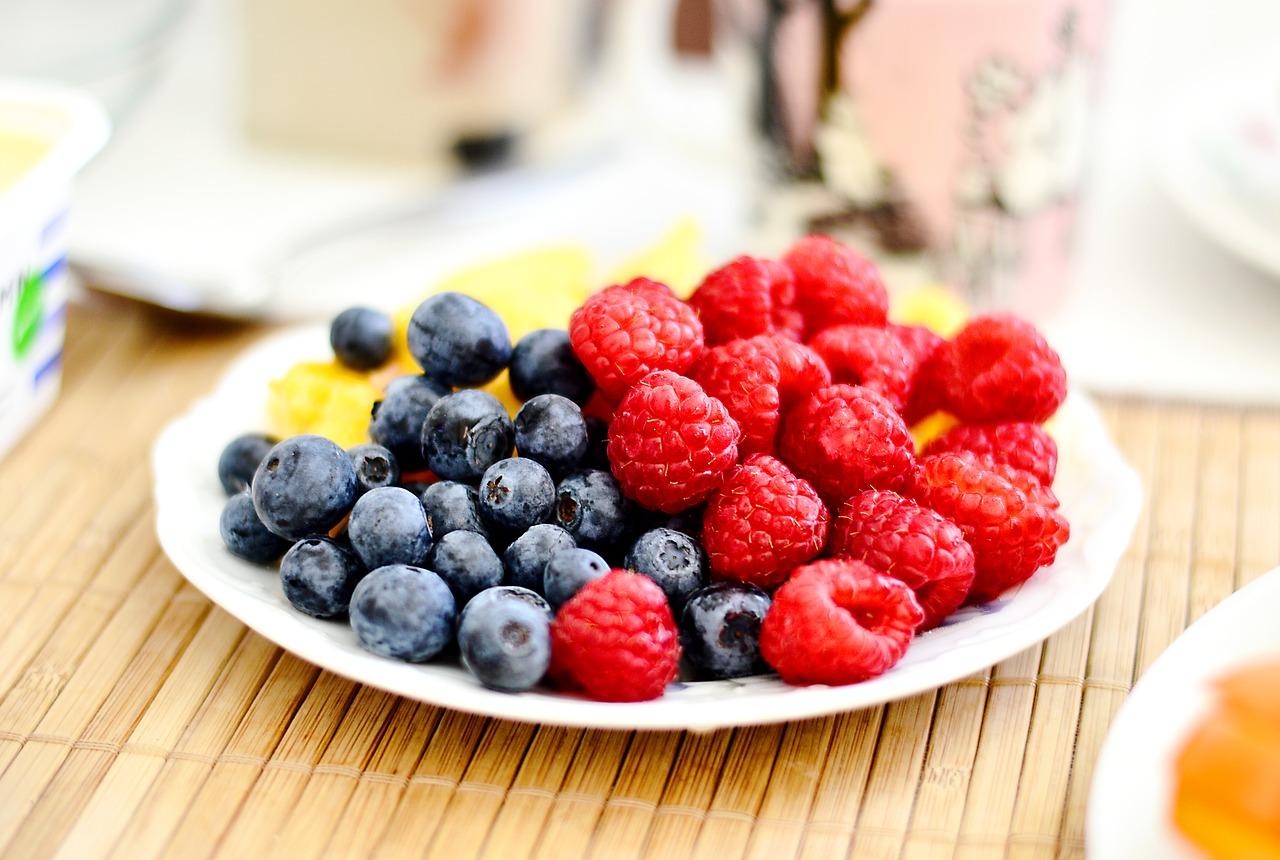
Most flavored yogurts are sugar bombs. Grab plain unsweetened yogurt and flavor it yourself with fresh berries, a teaspoon of jam, or a drizzle of honey. You control the sweetness.
Look for cereals with simple ingredient lists where a whole grain is the first ingredient — think shredded wheat or bran flakes. Jazz it up with nuts, seeds, or unsweetened dried fruit.
Deli meats are typically high in sodium, fat, and preservatives. Head to the prepared foods section for whole-roasted turkey or chicken breast and slice it yourself.
Pre-shredded cheese often contains anti-caking agents and mold inhibitors. Buy a block and shred it yourself — a food processor makes it fast, and the flavor is better.
Bottled dressings are an additive minefield. Whisk together olive oil, vinegar, a dab of mustard, and your favorite dried herbs. Two minutes, zero emulsifiers.
Craving crunch? Air-popped popcorn, a handful of nuts, or simple whole-grain crackers (look for brands with 2–3 ingredients) beat chips every time.
Many jarred sauces are loaded with sugar or high-fructose corn syrup. Start with a can of no-salt-added tomato puree, add olive oil and Italian seasoning, and you've got a cleaner sauce in five minutes.

Here are the key takeaways, narrated for your ears:
Ultra-processed foods aren't evil — they're convenient, affordable, and engineered to taste incredible. But the evidence from 2024-2026 is clear: the more of them you eat, the more you nudge your health in the wrong direction.
The good news? Small swaps add up. As Mayo Clinic dietitian Tara Schmidt says, "not all processed foods are bad for all people in all situations." The goal isn't a perfect pantry. It's a pantry where the balance tilts — slowly, sustainably — toward food that looks like food.
Start with one swap this week. Maybe it's the bread. Maybe it's the yogurt. Maybe it's just reading one ingredient label before you toss it in the cart. Your future self — heart, brain, and all — will thank you.
Disclaimer: This article is for educational purposes only and does not constitute medical advice. Always consult your healthcare provider before making significant dietary changes.