NX
NXplace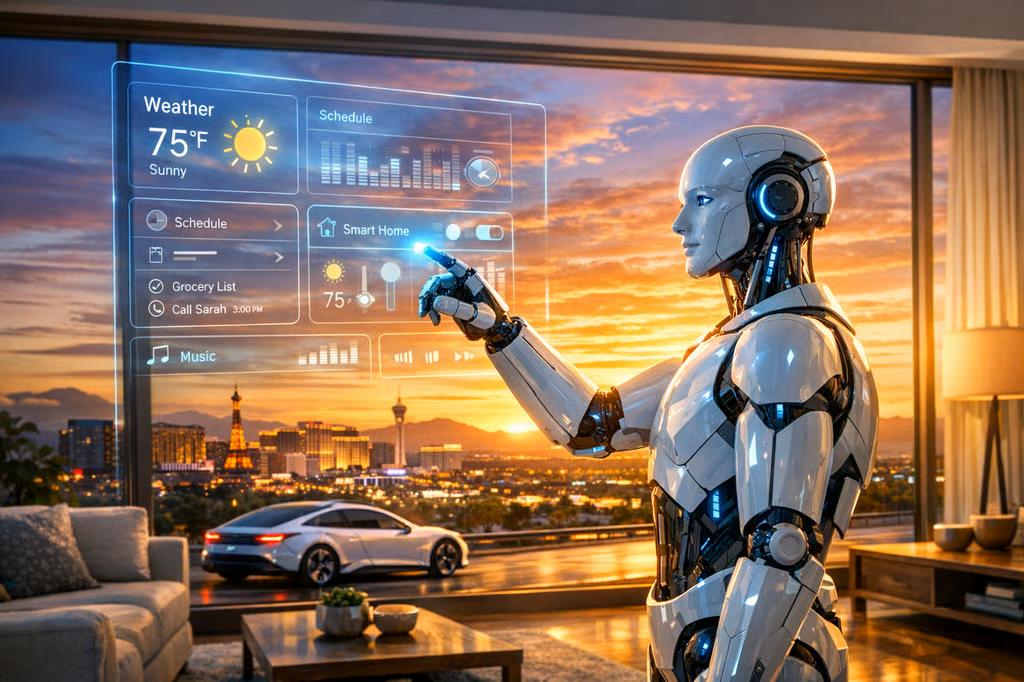
CES 2026 is poised to be the most AI-driven event in its history, with a heavy focus on transitioning AI from experimental demos to practical, everyday products like smarter robots, homes, and vehicles. Major corporations such as NVIDIA, Samsung, AMD, and Intel will showcase advancements in AI chips and hardware, alongside emerging AI models emphasizing edge processing and context-aware intelligence[1].
Expect NVIDIA, AMD, and Intel to dominate announcements around next-generation AI chips optimized for on-device processing, often called edge AI. These chips enable AI to run directly on gadgets without relying on cloud servers, making devices faster, more private, and energy-efficient[1]. Samsung is likely to integrate these into consumer products like smart home systems and TVs, pushing ambient AI—tech that blends seamlessly into your environment[1].
Interesting fact: Analysts predict a "major shift toward intelligence living directly on devices," reducing latency for applications like self-driving cars where split-second decisions matter[1].
Gone are the days of basic chatbots—CES 2026 will highlight AI models that evolve into context-aware and ambient systems. These don't just follow orders; they predict user intent from habits and surroundings[1]. Physical AI takes it further, powering humanoid robots that interact naturally with the world[1].
Key trends:
Expert insight: Telecom analyst Jeff Kagan calls the AI pace at CES "breathtaking," but warns of hype—attendees must discern real breakthroughs from flashy marketing[1].
CES's legacy in AI will shine through robotics, smart homes, and autonomous tech, with "AI everywhere" as the theme[1]. Big corps' collaborations could spark ecosystem shifts, like standardized chips for universal device compatibility. Fun prediction: Expect mind-blowing robot demos that feel like sci-fi, blurring lines between digital and physical worlds[1]. Stay tuned for post-event reveals, as the real value emerges in scalable products beyond the showroom.