NX
NXplace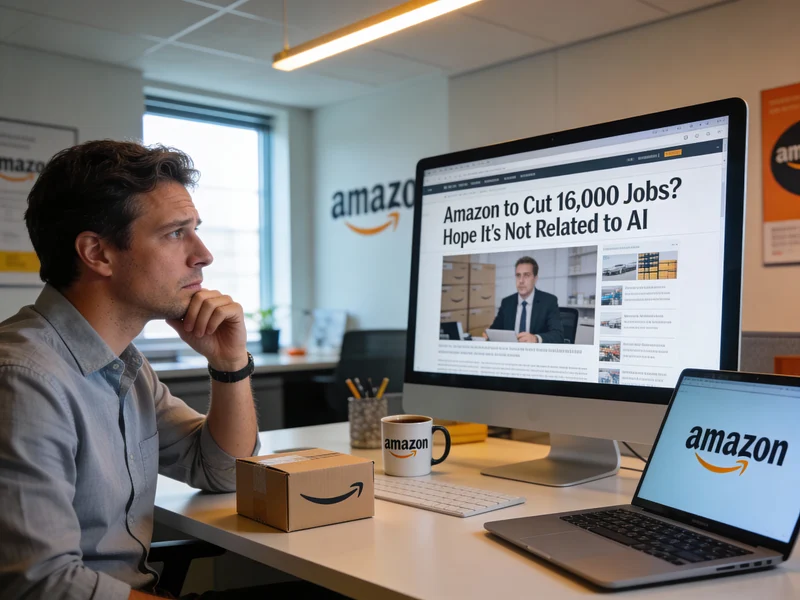
Amazon announced on January 28, 2026, that it is cutting 16,000 corporate jobs as part of ongoing efforts to streamline operations, reduce bureaucracy, and flatten organizational layers. This follows a previous round of 14,000 layoffs in October 2025, bringing the total to about 30,000 job cuts since then.[1][2][3][4]
These cuts primarily target Amazon's corporate workforce, which numbers around 350,000 out of the company's 1.5 million global employees.[1] Notifications began on Wednesday morning (January 28), with HR chief Beth Galetti sending emails to affected staff in the US, UK, and India.[1][2] The email reads: "After a thorough review of our organization, our priorities, and what we need to focus on going forward, we've made the hard business decision to eliminate some roles across Amazon. Unfortunately, your role is being eliminated."[1]
Impacted employees receive:
Amazon emphasizes these changes complete work started in October, not a recurring "rhythm" of cuts, while continuing to hire in strategic areas.[2]
Amazon frames the layoffs as efficiency measures to "reduce layers, increase ownership, and remove bureaucracy," allowing faster innovation for customers.[2][4][5] Broader industry trends include post-pandemic over-hiring, inflation-driven cost controls, and productivity boosts from technology—though Amazon's official statements focus on internal restructuring rather than explicitly blaming AI.[2][4]
Regarding AI concerns: No search results directly link these specific 16,000 cuts to AI implementation. One local report mentions Amazon citing "a growing reliance on artificial intelligence and a need to streamline operations," but this appears interpretive rather than a company quote, and other sources do not confirm it as the driver.[6] Amazon is investing heavily in AI elsewhere, like its "next-gen AI assistant for shopping" and One Medical's "agentic Health AI assistant," signaling AI as a growth area amid cuts.[2]
This wave reflects a tech sector trend dubbed the "forever layoff," with staged reductions instead of one big overhaul.[4] Affected employees can explore transition support, and Amazon continues strategic hiring despite the changes.[1][2]