NX
NXplace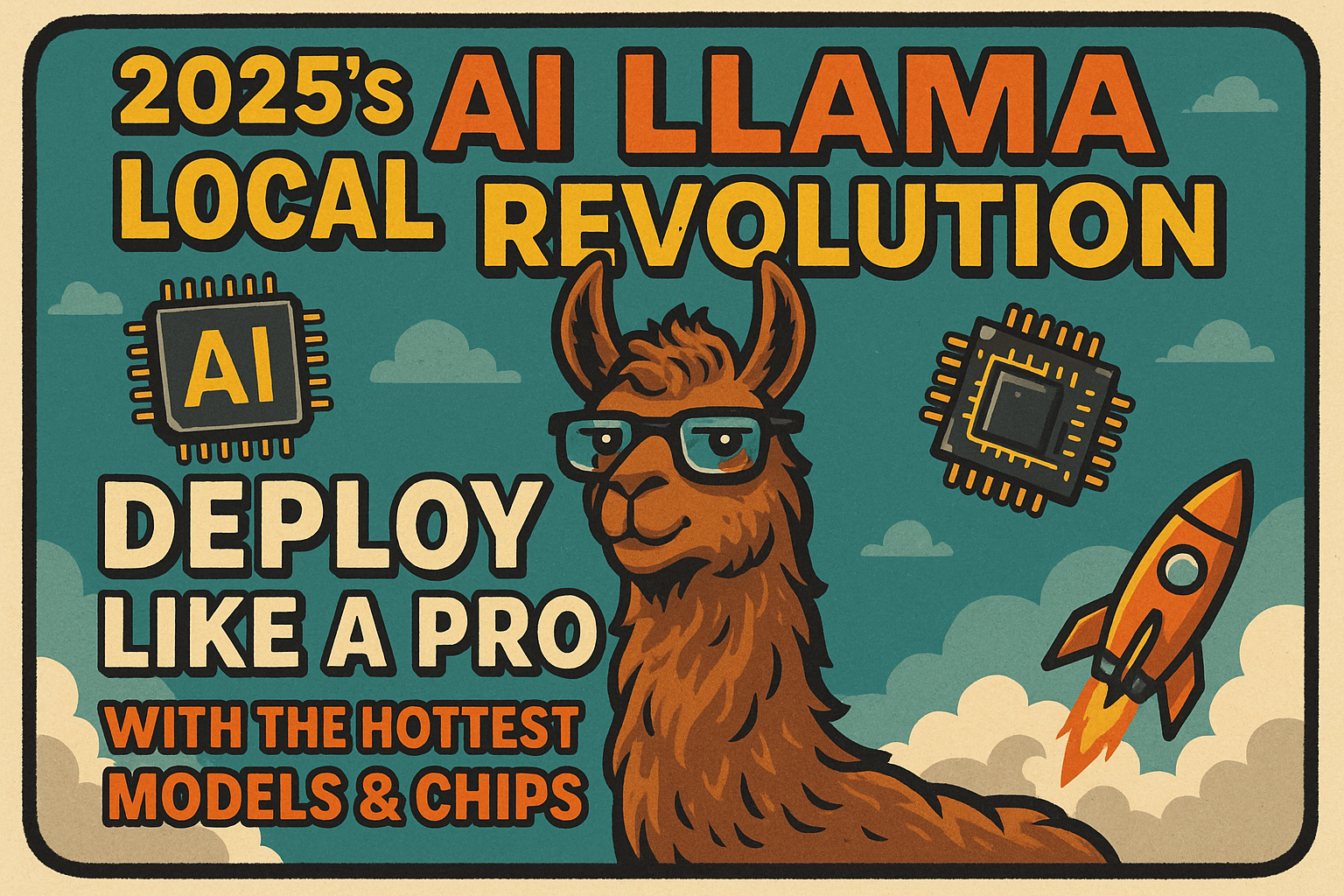
Forget the cloud monopoly on AI — 2025 is the year local AI model deployment goes mainstream, unlocking new levels of performance, privacy, and cost efficiency. Meta’s Llama series is leading the charge with the latest Llama 3.1 update and April’s Llama 4.0 release, boasting models with up to 405 billion parameters that rival commercial giants like GPT-45. With cutting-edge GPUs like NVIDIA’s RTX 4090 and tailored AI accelerators easing the hardware barrier, deploying these beasts locally is no longer just for the pros—startups, researchers, and even hobbyists can join the party 🎉.
Meta’s Llama lineup still rules the roost for general tasks, coding, and reasoning, while models like Mistral 7B shine in multilingual and instruction following — perfect for SaaS startups that need zippy results without massive GPUs1. Meanwhile, smaller models such as Llama 3.2 (around 1B params) and Phi-3 Mini bring powerful AI to laptops and edge devices3, shaking up who can realistically host AI locally.
RTX 4090 cards are the go-to for hefty Llama 70B and 405B versions, but the affordability and energy efficiency of the RTX 4060 Ti and similar have democratized entry into local AI1. Plus, vendors are pushing novel AI accelerators that specialize in LLM workloads, promising better performance per watt and reducing local deployment costs further.
Today’s local AI models aren’t just raw beasts you have to wrestle. Platforms like Ollama are making it easier to deploy, test, and tune local LLMs from your desktop or server3. Clarifai’s Local Runners act as “ngrok for AI models,” keeping data local while exposing API endpoints securely to fit enterprise workflows4. Combined with open-source gems like llama.cpp, this ecosystem lets you pick your toolchain and hardware flexibly without vendor lock-in.
In the last 7 days, Meta’s Llama 4 continues to shake up the market offering unmatched open-source scale. RunPod’s community-focused documentation is empowering dev teams to leverage Llama and alternate models, fueling healthy competition and innovation. Hybrid setups that combine local models for privacy/speed with cloud fallbacks for scale are the new sweet spot3.
More organizations are moving workloads closer to users. Whether it’s healthcare meeting compliance, startups trimming expensive API bills, or edge devices demanding low latency, local LLM deployment ticks all the boxes2. This trend is predicted to explode throughout the rest of 2025 with coding assistants and domain-specialized small models coming online6.
Meta’s Llama 4 and 3.1 updates are turbocharging open-source local AI deployment.
Affordable GPUs and new AI chips are making it practical for startups and creators to host powerful LLMs on-site.
Hybrid cloud/local architectures combined with modern tools like Ollama and Clarifai Local Runners ensure privacy, cost savings, and speed—2025 is the year local AI hits the big league 🚀.